

Clippings 04
Oppenheimer’s beach, saddlebag terriers, and other stories

Buzzcut is always better in your browser or on the Substack app
You’re reading Buzzcut, a newsletter of close-cropped commentary on travel, style, history, and nature by writer and strategist Zander Abranowicz.
Our Clippings franchise gathers a few glowing specimens of knowledge in a single format, designed for gentle reading. You can find past installments below, and access our full library of reports, reviews, and recommendations here.


The night Bo Diddley played a Cornell frat party
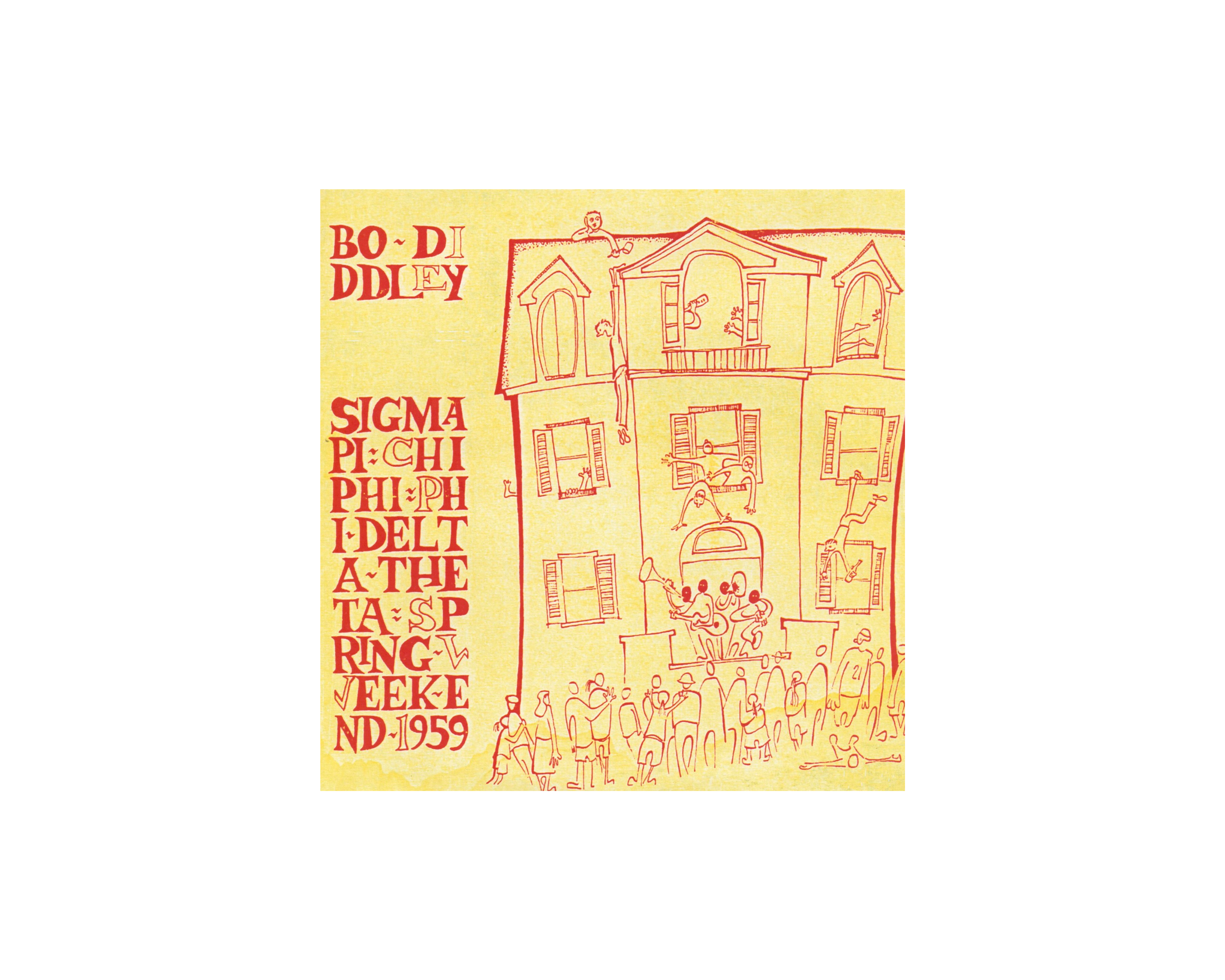
Between the end of classes and the beginning of exams every May, a sort of madness descends on the campus of Cornell University. The brutal Finger Lakes winter has loosened its vise grip, flooding the dramatic landscape of gorges and forests with flowers and green and the sound of birds. The Vitamin D-starved student body emerges from fluorescent libraries and lecture halls, turning to face the warmth they’ve been denied for the last five months. One such May, in 1959, Bo Diddley and his bandmates stepped into this ephemeral world of mischief and mania to play a frat party. Like many aspects of this story, how this show came to be is something of a mystery, shrouded and apocryphal, revealed only in cryptic comments on niche music forums. One post claims that a fraternity member on the Cornell lacrosse team had encountered Diddley’s music on a trip through the South, later organizing the show. Officially, three fraternities co-hosted the event — Sigma Pi, Chi Phi, and Phi Delta Theta — at a local veterans hall to accommodate the size of the crowd. Another commenter claims that Eta Kappa Nu, the electrical engineering fraternity, was also a co-host, responsible for the performance’s famous bootleg recording. Somehow, it was Sigma Pi that received the honor of being depicted on the Animal House-esque album art of one unsanctioned pressing of the recording. In the drawing, a mass of white partygoers gathers around a band of Black musicians on the front steps of a structure that closely resembles the Sigma Pi house where many of my friends lived and partied when I was a student at Cornell. At least demographically, the illustration is accurate: there were very few Black students at Cornell at the time of Diddley’s concert. In 1963, fewer than 20 Black students were enrolled, though that number increased to roughly 250 by 1968. I have previously read stories claiming that Diddley and his band were refused lodging at local Ithaca hotels and instead stayed at the private home of a Cornell professor. While plausible, these accounts seem to have disappeared from the internet. The recording itself seethes with the raw spirit that Diddley brought to the American musical canon with his distorted guitar and iconic “Bo Diddley beat,” a rhythmic signature that anticipated the punk and garage rock of later bands like The Stooges, The Clash, and The Velvet Underground. To the virgin ears of a generation raised on doo-wop and big band, Diddley’s sound must have felt nothing less than revolutionary.
The Caribbean beach where Oppenheimer escaped the world he created
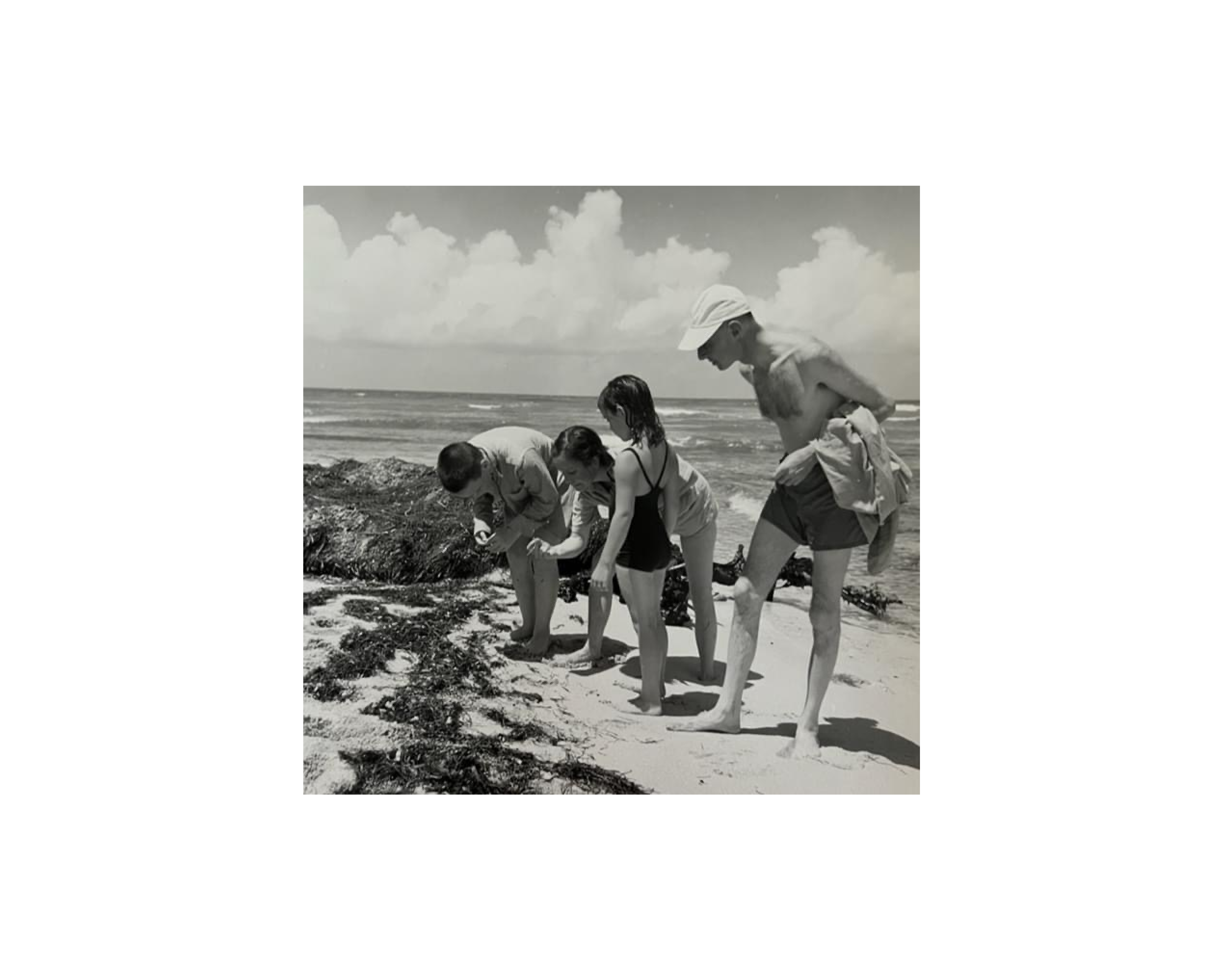
The list of men responsible for death and suffering on an epic scale is long, stretching from the Pharaoh of the Bible to King Leopold II to Vladimir Putin. The list of those who manifestly struggled with the consequences of their actions is much shorter. Among that elite club, J. Robert Oppenheimer stands alone. Unlike kings and dictators whose decisions filter through bureaucracies over years, the life’s work of the great physicist culminated in two blinding moments in August 1945. To his defenders, the atomic bomb ended the deadliest war in human history, spared countless lives that would have been lost in an Allied invasion of Japan, and preempted a Nazi bomb. To his detractors, it did so at the cost of more than 200,000 Japanese lives, introducing a weapon that would terrorize the world for generations. After the war, Oppenheimer publicly wrestled with the morality of his weapon and opposed development of the hydrogen bomb, placing himself in the crosshairs of the Red Scare. He endured years of surveillance, wiretapping, and grueling interrogations later dramatized in Christopher Nolan’s Oppenheimer. Where does a man go to escape forces as vast as the military-industrial complex and as intimate as his own mind? Beginning in the late 1950s, exhausted and humiliated, his black hair turned white, Oppenheimer found refuge with his wife Kitty and daughter Toni on St. John, then among the Caribbean’s most undeveloped islands. Raised in Manhattan luxury — with a chauffeur, three maids, and Van Goghs on the walls — he now moved into a modest cottage overlooking a remote cove. It was spartan, but charming, with a desk facing a window where Oppenheimer could scan the tropical scenery. St. John offered both seclusion from American intelligence and, according to Oppenheimer’s own calculations, one of the safest locations in the hemisphere to survive nuclear fallout. Friends recalled lobster dinners, calypso music, and barefoot dancing on the beach. Yet beneath the idyllic surface, his conscience continued to seethe. When one guest caught a hawksbill turtle to cook, Oppenheimer begged for its life, saying it reminded him of the animals killed during atomic testing. Today, a community center stands on the foundation of his former cottage, and on warm nights the sound of laughter and calypso still drifts across the bay where a god of war sought some measure of peace.
The terriers who did the foxhunter’s dirty work
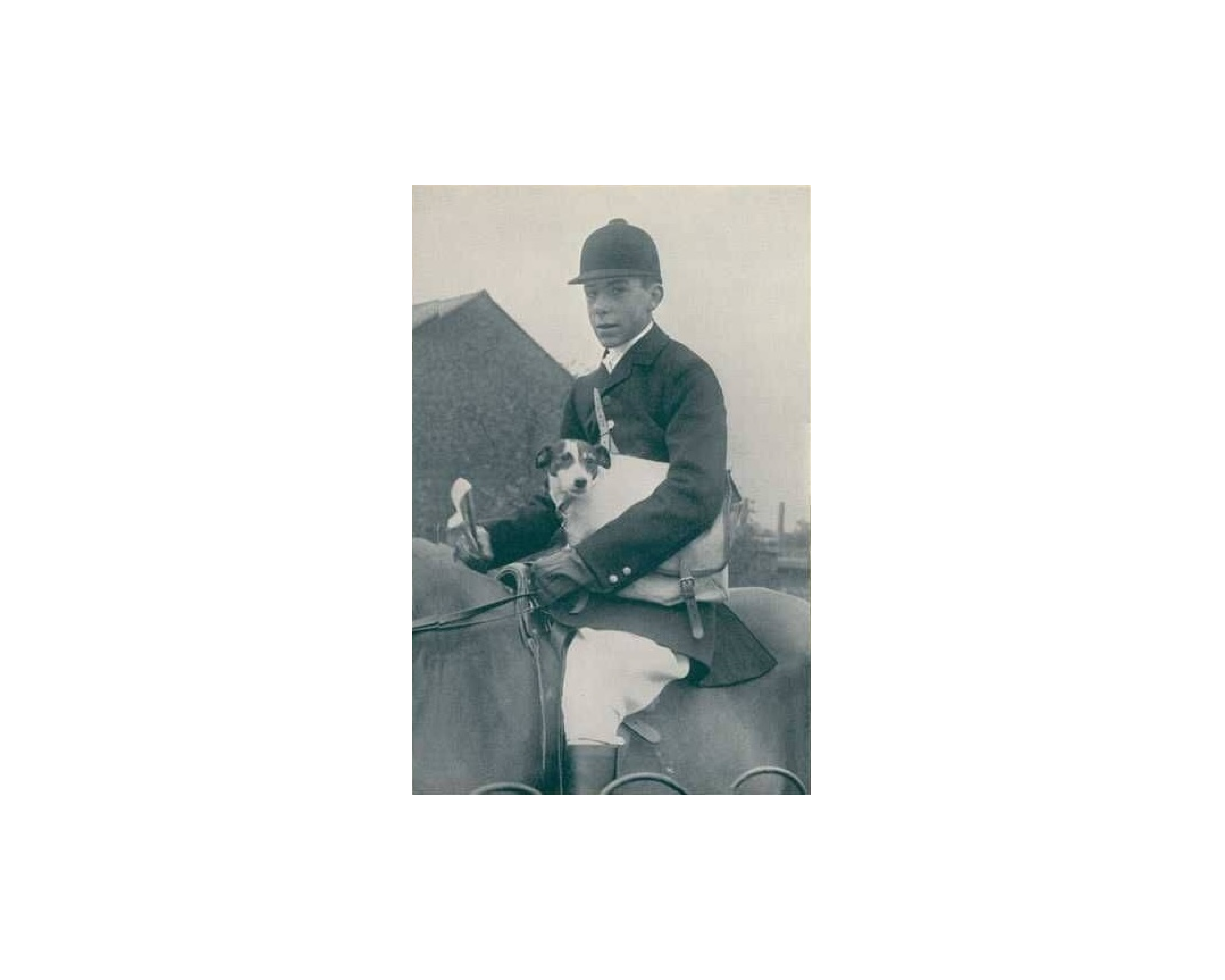
When traditional fox hunting with hounds was banned in England and Wales under the Hunting Act of 2004, one of Britain’s oldest field sports entered a legally contested new era. For centuries, hunts had been governed by elaborate rituals and hierarchies, from the master of foxhounds to the terrierman, who handled small working terriers such as Jack Russells and Parson Russells. Terriermen often carried these dogs in saddle-mounted terrier boxes or satchels and released them when a fox went to ground. Their role was to locate or bolt the fox from its den so the hunt could continue, or end the hunt with a dramatic subterranean fight to the death. For generations, fox hunting occupied a hallowed place in British rural culture: an aristocratic spectacle sustained in part by the labor of working-class hunt staff. Terriermen, in particular, acquired a reputation for carrying out some of the hunt’s roughest and most controversial work. Since the passage of the Hunting Act, many traditional hunts have continued legally through trail hunting or other exempt activities, while animal-welfare groups and police have also documented cases of illegal hunting involving terriermen. In some modern cases, terriermen have traveled by quad bikes or off-road vehicles rather than on horseback. Today, the term “terrierman” is frequently invoked in debates about animal cruelty, rural tradition, and class. The terrier’s instinct to chase and pursue small game long predates those modern controversies. Dogs bred for going to ground and controlling vermin have existed in Britain for many centuries, aiding farmers, gamekeepers, and laborers in pest control long before the rise of organized fox hunting. When a terrier bolts after a squirrel in a city park or chases a cat through an apartment, it is acting out instincts shaped by that long and colorful history.
Something You Should Know
A sharp fact for your cocktail party quiver
The poet Robert Penn Warren described Thomas Jefferson as “an amanuensis for a million or so people stranded on the edge of the continent and backed by a wilderness.”