

Clippings 03
Scents, stories, and souvenirs from Paris

Buzzcut is always better in your browser or on the Substack app
You’re reading Buzzcut, a newsletter of close-cropped commentary on travel, style, history, and nature by writer and strategist Zander Abranowicz.
Our Clippings franchise gathers a few glowing specimens of knowledge in a single format, designed for gentle reading. You can find the first and second installments below, and access our full library of reports, reviews, and recommendations here.


The Left Bank shop that is a portrait of its worldly proprietor
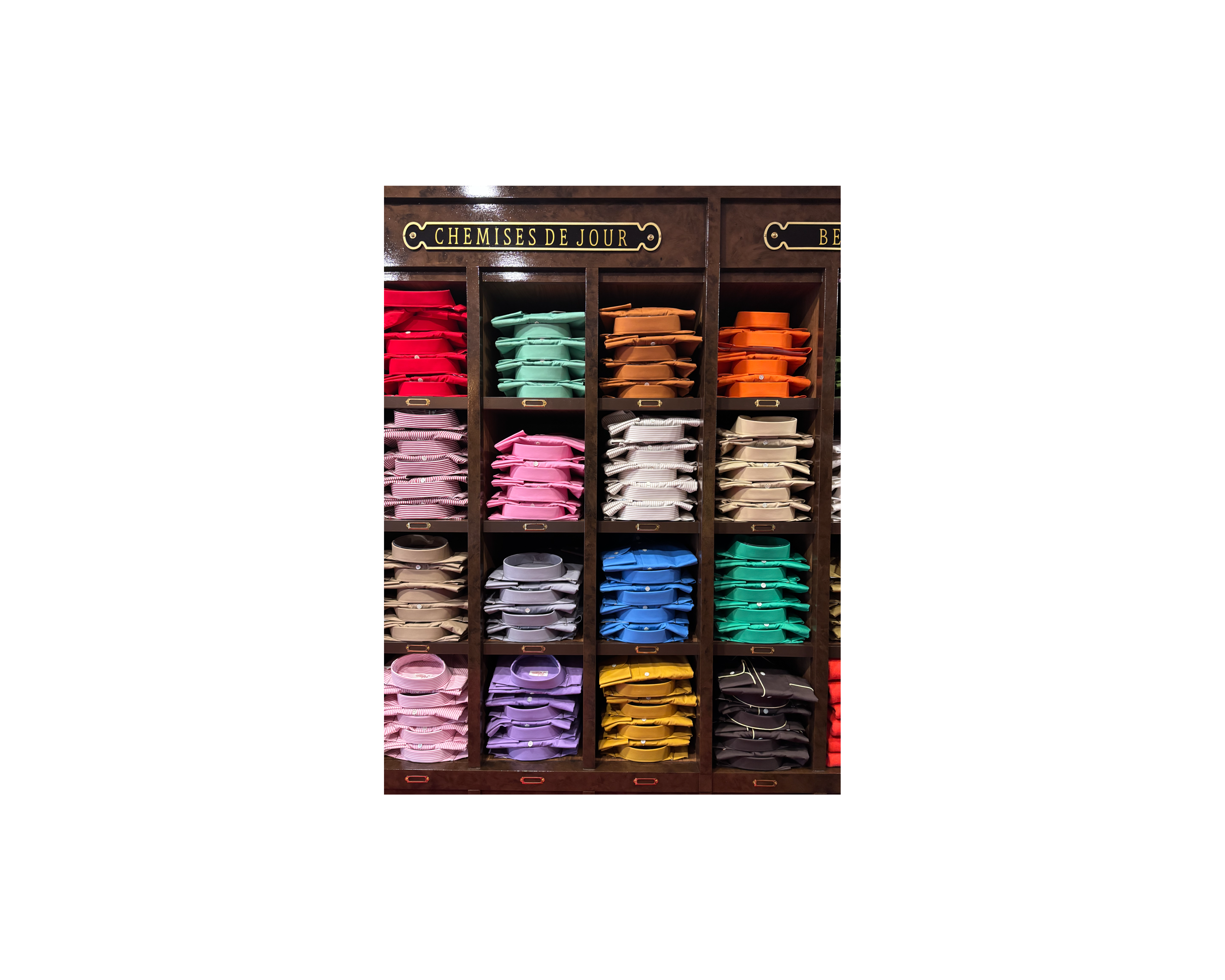
A great store is a portrait of its proprietor: Calvin Klein’s mid-90s New York flagship; Sarah McNally’s Goods for the Study; Andy Spade’s menswear wunderkammers. Add to this gallery of retail greats young Rubirosa’s, on Rue de Grenelle, just south of the Seine. If Rubirosa’s is a portrait, it is a Rococo one — rendered by Boucher, who would delight in the painterly palette that greets guests inside. Spanning just 450 square feet, Rubirosa’s buzzes with staff and shoppers poring over quintessential Parisian keepsakes: poplin pajamas and shirting (available in 35 hues), sweaters in achingly supple cashmere (available in 15), and leather loafers. Without ever speaking to its founder, designer Lauren Rubinski, you can surmise a few things about her just by visiting. For one, she’s bored by the tyranny of quiet luxury. Her embrace of color — from the crimson carpet to the rainbow of wares stacked like antiquarian books in ebony shelving — is enough to make the Spartan in me want to trade my closet of neutrals for their more interesting cousins in vermilion, mustard, or turquoise. She believes culture is porous. While the aesthetic skews Old Europe — her grandfather supplied the Vatican with poplin — the store flirts with cultural influences in a way that feels both erudite and lighthearted, just right for the melting pot that is Paris. The walls are lined with portraits commissioned from an artist in Côte d’Ivoire, depicting stylish men of history, from Pavarotti to Maradona to the Congolese dictator Mobutu Sese Seko. As you shop, these luminaries of style seem to dare you to choose the bolder color, or to splurge on a pair of crocodile-embossed slippers in a pope-worthy red. She also has a great sense of humor. On the exterior, a list of exotic cities, from Monaco to Cairo, ostensibly marks the store’s global locations — a cheeky fiction true to the fantasy Rubirosa’s invites you to inhabit, if only for an afternoon.
The fish that fed Paris during the dark days of the Franco-Prussian War
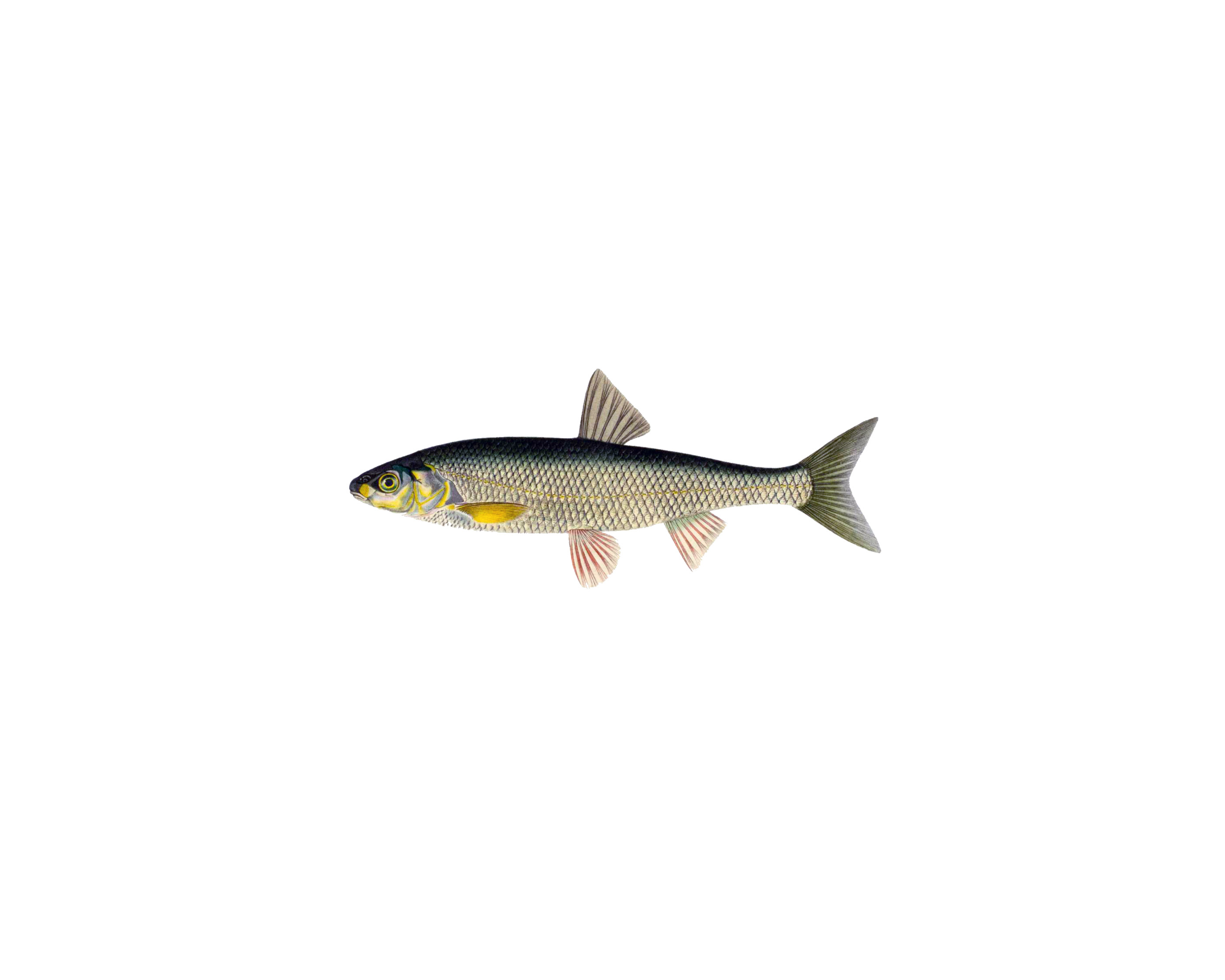
Reading George Orwell’s debut novel, the semi-autobiographical Down and Out in Paris and London, I was intrigued by a passing note about the fish of the river Seine. “Too inert to look for work,” he writes, “I borrowed a rod and went fishing in the Seine, baiting with bluebottles. I hoped to catch enough for a meal, but of course I did not. The Seine is full of dace, but they grew cunning during the siege of Paris, and none of them has been caught since, except in nets.” That siege refers to the encirclement of Paris by Prussian troops in 1870, a pivotal episode in the Franco-Prussian War, culminating in a French surrender and, shortly thereafter, the formation of the famous Paris Commune. During four months of near-total isolation and deadly shortages, starvation gripped the beleaguered city. Horses, dogs, cats, and zoo animals were butchered for protein. Parks and even the Champs Élysées were deforested for fuel. The chief means of communication with the rest of France was via mail floated over the Prussian lines by balloon. At its nadir, an estimated 3,000 to 4,000 perished each week from the effects of cold, hunger, and disease. Typical of Orwell’s novel, he presents this reference to citizens desperately overfishing the Seine with an air of casual insider knowledge, ostensibly gleaned from the struggling laborers and vagabonds with whom he was living and working at the time of its writing — people for whom the privation of the siege would’ve felt viscerally familiar.
The Gerhard Richter paintings that reckon with Auschwitz
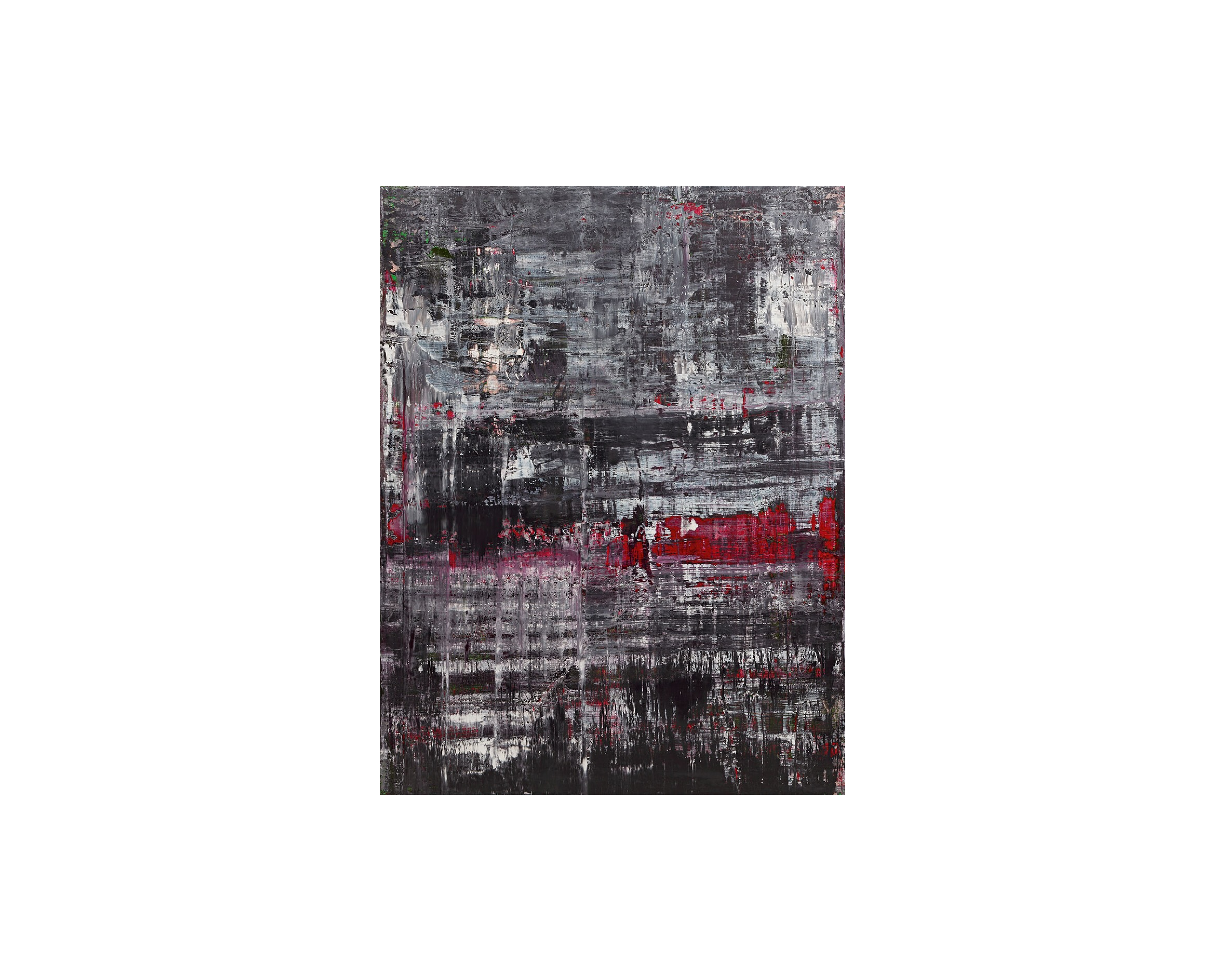
This past Wednesday marked the 81st anniversary of the liberation of Auschwitz, the Nazi extermination complex that is the site of the largest mass murder in a single location in human history. Since the ovens went cold at places like Auschwitz, artists have struggled to respond to the singular, ineffable horror of the Shoah. For obvious reasons, this struggle is particularly acute for German artists, which makes Gerhard Richter’s Birkenau cycle so daring and so devastating. Best known for his blurred paintings based on photographs, Richter’s work had wrestled with Germany’s genocidal past since the mid-1960s, but it wasn’t until 2014 that the artist attempted a direct confrontation with the industrialized murder of the Jews of Europe. Named for the birch grove that hid two of Auschwitz’s most prolific crematoria, Richter based his Birkenau series on the only four surviving photographs of Nazi gas chambers actually in use. Secretly recorded by an inmate believed by historians to be the Greek Jew Alberto Errera — and bravely smuggled out of the camp in a tube of toothpaste by the Polish resistance — the images show the incineration of bodies and a crowd of naked women being marched through the forest to their deaths. Taking these images as his source material, Richter spent a year struggling to translate them onto four vast canvases in his signature style. Realizing that the original images were simply too powerful to recreate in any form, he ultimately painted over the drawings, resulting in the large-scale abstract works that now bear the name Birkenau. Since 2017, large photographic versions of Birkenau have been installed in the western entrance hall of the Reichstag, visible to members and visitors entering toward the plenary chamber. The original paintings are currently on view at the end of the epic retrospective of Richter’s work at the Fondation Louis Vuitton, presented alongside Errera’s four chilling photographs. While Richter’s canvases are striking, it is Errera’s photographs that most linger in my mind after seeing the exhibit two weeks ago — proof that art can only ever whisper into the void that is the Holocaust.
The scent of the secret chord
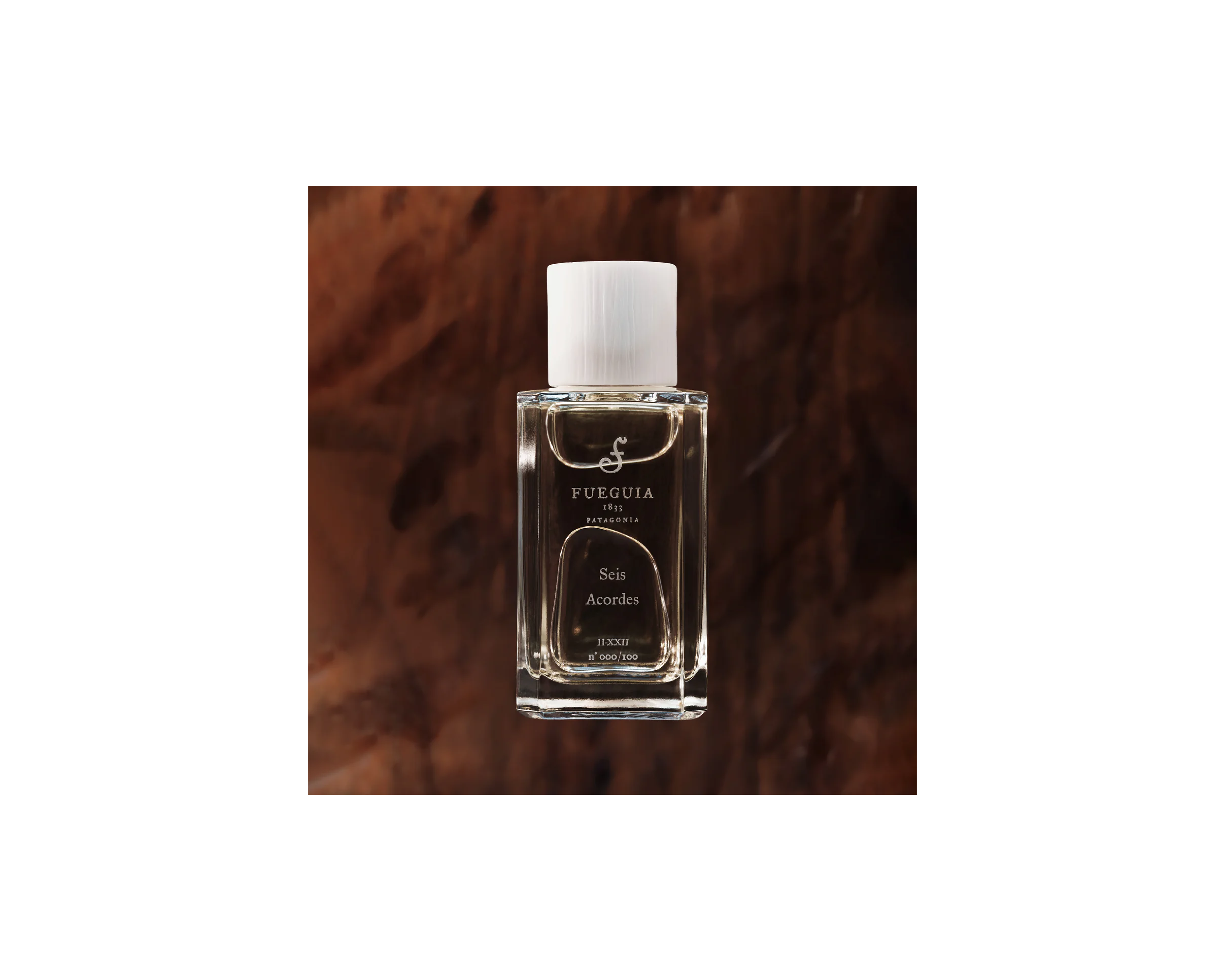
For me, Paris is the city of scents. During a 2015 visit with my parents and grandmother, we stopped by Editions de Parfums Frédéric Malle — located, coincidentally, on Rue de Grenelle, in the same space that now hosts Rubirosa’s. Working with one of the shop’s fragrance experts, I sampled the options until I came upon a scent that sent shivers down my spine: French Lover, designed by Pierre Bourdon, a mix of pimiento, angelica, and juniper, with patchouli, vetiver, and frankincense at the base. I ended up wearing it daily for a decade, and each time I put it on, I thought about that trip, and my late, beloved grandmother. So on our recent visit, open to changing my signature scent, we made our way to the Paris branch of Fueguia 1833, Julián Bedel’s spiritually infused fragrance brand, founded in Buenos Aires and based in Milan. My wife has been devoted to Fueguia since 2016, even wearing their wonderful Cactus Azul on our wedding day. Inside the shop, the brand’s hundreds of varieties are displayed neatly around a rectangular structure, organized by family, from floral to herbal to woody. I started sampling the creations, waiting for that intuitive frisson that occurs when a fragrance rhymes perfectly with my own chemistry, a feeling I’d only ever experienced with French Lover. Tagore, named for the Bengal polymath, spoke to me, but I kept searching. I finally came to Seis Acordes, of the Armonías collection. True to its title, it struck that secret chord instantly. Woody, complex, spacious, it felt both mysterious and familiar. It wasn’t until I read the engraving on the back of the glass vessel that I understood my reaction: Seis Acordes is inspired by the guitars of Leonard Cohen — their woods and varnishes — seeking to evoke “the scent of his otherworldly compositions.” The fragrance was designed to commemorate the Jewish Museum of New York’s 2018 exhibition on the great man. Cohen is perhaps my favorite artist, and the Jewish Museum one of my favorite institutions. It came home with me. Like any great fragrance, it begins with the senses, before “it comes round to your soul.”
Something You Should Know
A sharp fact for your cocktail party quiver
Paris ran a pneumatic post system from the 1860s, sending letters through underground tubes by air pressure. At its height, it spanned hundreds of kilometers and delivered messages in under an hour.